

Fish is a popular choice for a healthy meal, but did you know it can sometimes contain histamine?
Histamine is a naturally occurring compound that can accumulate in certain foods, particularly fish and seafood, due to improper handling, storage, or processing. Histamine forms when certain bacteria convert the amino acid histidine into histamine. Histamine is heat-stable, meaning it is not destroyed by cooking, smoking, canning, or freezing once it has formed.
Elevated histamine levels may cause scombroid poisoning – one of the most common seafood-related illnesses worldwide leading to regulatory non-compliance and food safety risk.
What causes Histamine in Fish?
High Temperature
Histamine formation is mostly found in fish, which are not properly stored at low temperatures. The perfect temperature for fish storage is below 4°C.
Time
The longer fish sits at temperatures above 4°C, the higher the histamine levels.
Spoilage
Fish that has started to spoil or perish is more likely to contain elevated histamine levels.
Fish Species
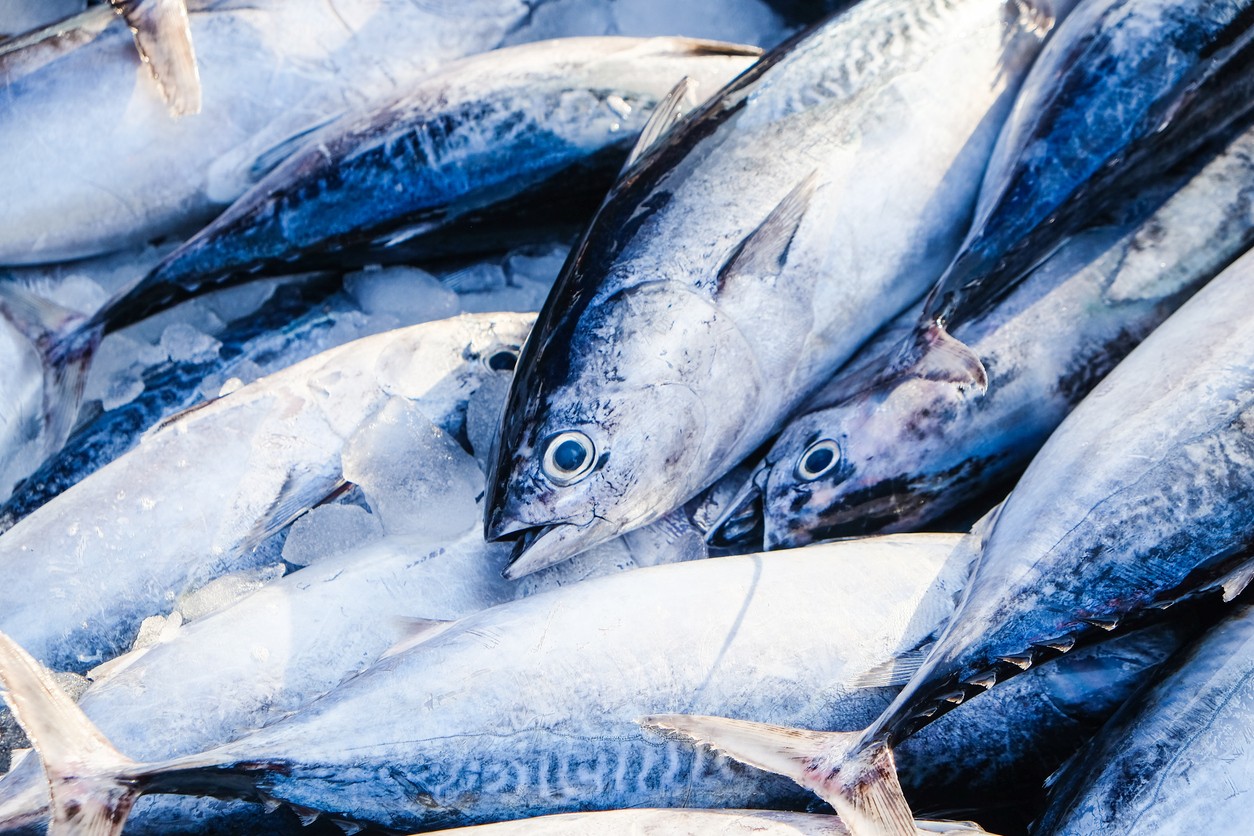
Some fish species are more vulnerable to histamine formation than others. Tuna, mackerel, mahi-mahi and sardines are some of the most histamine likely species.
Accurate Food Safety Analysis for Quality & Compliance Control:
Histamine testing is essential for verifying seafood safety, assessing product freshness, demonstrating regulatory compliance, and protecting consumers from histamine food poisoning.
Protect your brand and ensure consumer safety with histamine testing done at Agrifood Technology.